Magic of Mobile Homes: Secrets to a Flat and Stable Arrangement


Regarding owning a mobile home, appropriate leveling is crucial for your comfort and stability. An uneven home can lead to a variety of issues, from doors that jam and windows that break to more serious structural problems. Understanding how to level your mobile home not only enhances your living environment but also safeguards your investment in the future. Be it that you are a seasoned DIY enthusiast or a first-time homeowner, this guide will walk you through the essential steps, tools, and tips you need to achieve a level and level setup.
Within this complete step-by-step guide, we will explore the multiple techniques for leveling your mobile home, the signs that indicate your home may need leveling, and ways to maintain its stability over time. From evaluating your site to securing the frame, every detail matters. By the end of this article, you will be armed with the insight and confidence to tackle this crucial task, ensuring your mobile home remains secure and comfortable for years to come.
Comprehending Mobile House Leveling
Leveling a mobile home is an important care job that guarantees the sturdiness and security of your home. Over time, causes such as weather changes, soil movement, or shifting may cause your home to become unlevel. An unlevel mobile home can result in various issues, including compromised structure, uneven floors, and doors that stick or fail to operate correctly. Identifying and tackling these leveling needs is vital for maintaining the structural soundness of your house.
The procedure of leveling entails making adjustments to the foundation and pillars, which can include bricks, supports, and shims that help distribute weight evenly. To properly level your house, it is vital to comprehend the distinction between leveling and foundation replacements. While leveling focuses on adjusting the current structure, support adjustment may entail changing or reinforcing the foundation supports when they have become weak. Knowing when to implement each method can conserve you effort, manpower, and money in the end.
Routine inspections for level and performing upkeep can proactively prevent future concerns. Observing your mobile home's level not only improves its livability but also safeguards your investment. By taking the time to comprehend the value of adequate leveling and making sure your house is adequately supported, you can avoid costly renovations and enjoy a safer living environment.
Important Tools and Safety Precautions
To effectively level your mobile home, you will need a variety of essential tools. A hydraulic jack is imperative for hoisting the home securely, while sturdy jack stands will provide assistance once the home is lifted. Measuring tools, such as a level and tape measure, are necessary for ensuring your home is correctly aligned. Additional items like shims, blocks, and a water level or laser level will help achieve exact leveling. Having a wrench and screwdriver handy will aid in adjusting any components that may need fastening or loosening during the process.
Safety should always be a concern when leveling a mobile home. Before starting, wear adequate personal protective equipment, including gloves, safety glasses, and steel-toed boots. Always work with a partner to ensure you are not alone when lifting the home, as it can be dangerous. Inspect your jacks and supports for wear or deterioration, and never exceed their weight threshold. Ensuring trailer house leveling professional and clear work environment will reduce the risk of incidents during the leveling operation.
As you gear up to tackle the leveling task, take a moment to evaluate the area around your mobile home for potential hazards. Ensure the ground is solid and clear of clutter, and be aware of any overhead electrical lines or tree branches. installing skirting on a mobile home is also wise to have a first aid kit on hand and a plan for emergencies. By prioritizing safety and equipping yourself with the right tools, you will set the scene for a smooth and secure leveling task for your mobile home.
Phased Leveling Procedure
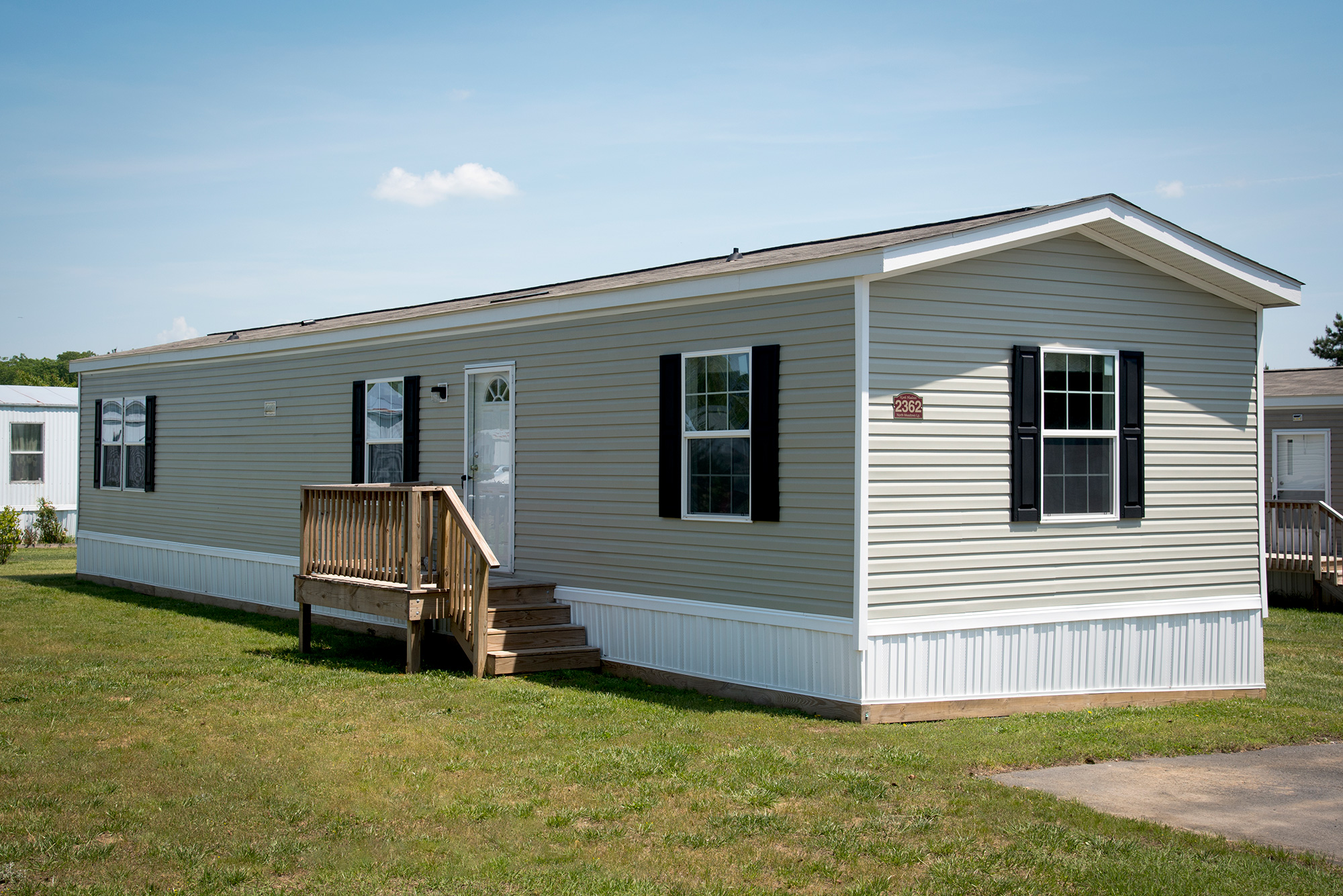
To begin leveling your mobile home, you'll need to collect the necessary tools and materials, which are a level, jacks, shims, and some blocking material. Once you're set, the primary step is to check the current level of your mobile home. Use a water level or laser level to check each corner of the home and locate areas that are higher or lower than others. Mark these spots to track where adjustments are necessary.
Next, it’s time to carefully raise the mobile home. Start by identifying the jacking points, typically near the frame. Carefully place the jacks under these points and raise them slowly, monitoring your level frequently. As you lift each side, put shims under the support blocks to maintain stability and prevent any sudden drops. Continue adjusting until the home is level, ensuring that there is no more than a slight variance across the structure.
Once your mobile home is leveled, reinforcing the frame is crucial. Fasten all bolts and fasteners to strengthen any weak spots, and examine the blocking to ensure it’s properly positioned and stable. To finish, recheck the level one last time and think about a maintenance schedule to keep track of the home's level regularly. This preventive step will help sidestep issues down the line.
Lonestar Mobile Home Leveling & Skirting
276 County Rd 1700
Clifton, TX 76634
(254)266-5369